 26th June 2025
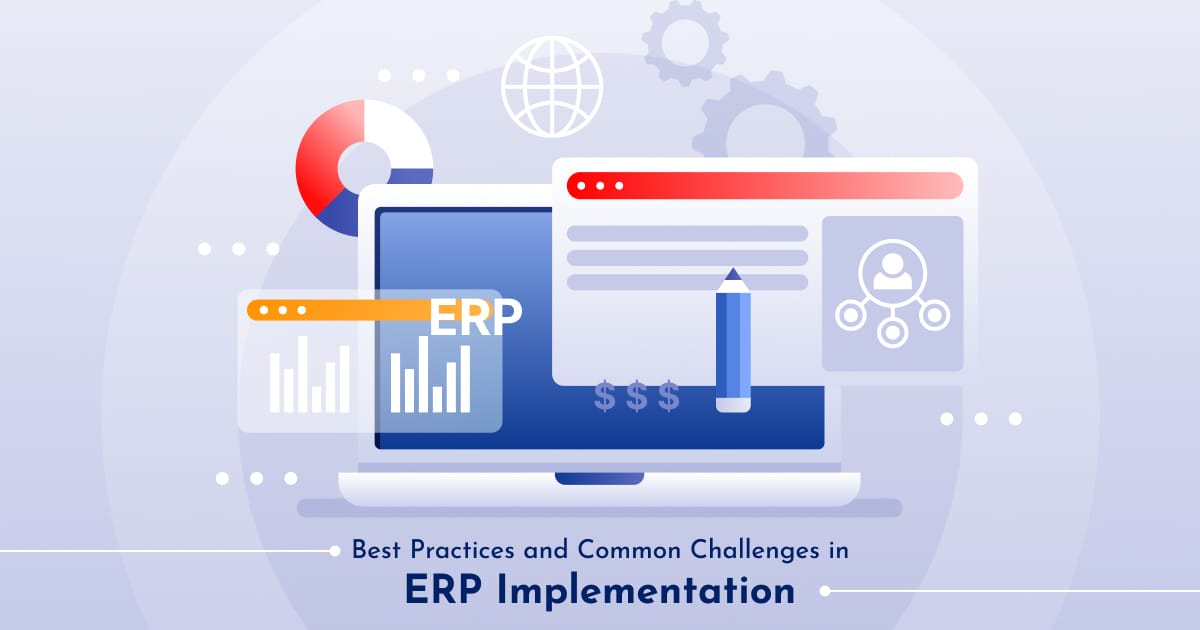
Best Practices and Common Challenges in ERP Implementation
Enterprise Resource Planning (ERP) systems have become essential tools for organizations seeking to streamline operations, improve efficiency, and enable data-driven decision-making. Implementing an ERP solution is a complex task. It needs careful planning and disciplined execution. You must also be aware of possible problems. This article explores the best practices for ERP implementation and highlights common challenges organizations may encounter along the way.
Understanding ERP Implementation
ERP implementation refers to the process of integrating an ERP system into an organization’s existing processes and workflows. This process usually involves a few steps. First, you set up the software. Next, you move the data. Then, you train the users. Finally, you ensure the system meets business goals. The main goal is to enjoy the benefits of automation and integration. However, getting there with ERP deployment can be tough. Many challenges can disrupt even the best projects.
Streamline Operations & Drive Smarter Growth
Looking to optimize workflows, reduce inefficiencies, and scale faster? Discover how GrexPro’s intelligent solutions can transform the way your business works.
Best Practices for Successful ERP Implementation
- Secure Executive Sponsorship and Stakeholder Buy-In One of the most critical factors for a successful ERP implementation is strong executive sponsorship. Leadership support ensures that the project receives adequate resources, attention, and authority to overcome resistance and resolve issues. Involving stakeholders from all important departments early helps create agreement. This ensures the system meets the needs of users.The ERP project team has a few key roles. It usually includes an executive sponsor, a project manager, and members from the departments that will use the system. Getting senior management involved is important. This helps the project get the resources it needs. It also provides support to make changes in the organization.
- Assemble a Cross-Functional Implementation TeamA dedicated project team, made up of representatives from IT, finance, operations, and other business units, is essential. This team should be empowered to make decisions, communicate effectively, and drive the project forward. Including end users in the team helps ensure the system is tailored to actual business needs.
- Define Clear Objectives, Scope, and Key Performance Indicators (KPIs)Establishing clear goals and measurable KPIs at the outset provides direction and a basis for evaluating success. The project scope should be well-defined to avoid scope creep, and any changes should be managed through a formal process.Establish clear requirements and KPIs to evaluate the success of your implementation, you’ll need to establish key performance indicators (KPIs). They must be clear, measurable, and impactful.
- Prioritize Communication and Change ManagementTransparent, ongoing communication is vital throughout the implementation process. Regular updates help manage expectations, address concerns, and keep everyone aligned. Change management strategies, including training and user support, are crucial for driving adoption and minimizing resistance.Internal communication is vital for your project’s success. Consider branding the project with a project name and logo to build internal recognition and awareness within your entire organization. Build awareness and positive anticipation across your company with regular updates about the implementation’s progress and how the organization will benefit from the project.
- Document Processes and DecisionsThorough documentation of business processes, system configurations, and project decisions provides a reference point and ensures continuity if team members change. It also helps with future system enhancements and audits.
- Plan for Adequate TestingRigorous testing of the ERP system before going live is essential to identify and resolve issues. Testing should cover all critical business processes, integrations, and security protocols to ensure the system operates as intended.
- Allocate Resources for Post-Implementation SupportThe ERP journey does not end at go-live. Ongoing support, training, and system optimization are necessary to realize the full benefits of the investment. Establish mechanisms for collecting user feedback and continuously improving the system.
Ready to transform your business operations?
Discovr how our comprehensive solutions can streamline your workflows, boost productivity, and drive sustainable growth.
Common Challenges and Risks in ERP Implementation
Despite best efforts, organizations may face several challenges during ERP implementation. Being aware of these risks can help teams prepare and mitigate their impact.
- Underestimating Project Complexity and TimelineERP projects often take longer and cost more than initially anticipated. Underestimating the complexity can lead to rushed decisions, inadequate testing, and poor user adoption.Many projects fall behind schedule simply because the original planned timeline was unrealistic. Consider reassessing the timeline at key points in the implementation to see whether it needs to be adjusted.
- Insufficient Change ManagementResistance to change is a common barrier, especially if employees are accustomed to legacy systems. Failing to address user concerns and provide adequate training can result in low adoption rates and project failure.
- Scope CreepAllowing the project scope to expand without proper controls can strain resources and delay the implementation. It is vital to have a process for evaluating and approving changes to the project scope.
- Poor Data Quality and Integration IssuesMigrating inaccurate or incomplete data can undermine the effectiveness of the new system. Integration challenges with existing applications can also disrupt business operations.
- Lack of Executive SupportWithout sustained leadership involvement, projects risk losing momentum and may struggle to overcome obstacles.
- Inadequate Testing and TrainingSkimping on testing or training can lead to operational disruptions, errors, and user frustration after go-live.
Conclusion
ERP implementation is a significant undertaking that can transform an organization’s operations and competitiveness. By following best practices—such as securing executive sponsorship, assembling a strong project team, defining clear objectives, prioritizing communication, and planning for ongoing support—organizations can navigate common challenges and set the stage for a successful ERP journey. Recognizing potential risks and proactively addressing them will further increase the likelihood of achieving the desired outcomes and maximizing the value of your ERP investment.


 Surendra Yarrum