 21st August 2025
ERP System Features That Drive Operations Efficiency in 2025
If the very words “go-live” make your blood pressure spike, you’re not alone. Most of the business owners and operations leaders who call GrexPro carry scars from legacy system headaches, vendor lock-in fears, and customization costs spiraling out of control. You invested six figures and sat through endless change-management meetings, only to end up with clunky screens nobody wants to use.
We understand, because we’ve helped dozens of frustrated veterans clean up the mess. In this straight-shooting guide, we’ll cut through the buzzwords and show you the ERP system features that actually drive operational efficiency in 2025, with a special look at AI demand forecasting. No fluff, no hidden fees, just the facts you need to avoid another disaster.
Why Features—Not Modules—Matter Now
“Which modules do I need?” is the question vendors love, because more modules equal more revenue for them. The better question is “Which ERP system features remove friction from my day-to-day operations?” The winners of 2025 will be the companies that focus on lean, high-impact capabilities instead of buying a mile-wide, inch-deep stack of add-ons that cause module bloat and frustration.
- Efficiency first, tech second: Features must cut hours, errors, or costs within 90 days—otherwise, they should be skipped.
- Pay-only-for-value mindset: A smaller feature set you’ll actually use is better than a bloated license that looks impressive on a sales slide.
- Seamless integration: Any feature that can’t communicate with your existing tools will reopen old integration headaches.
Streamline Operations & Drive Smarter Growth
Looking to optimize workflows, reduce inefficiencies, and scale faster? Discover how GrexPro’s intelligent solutions can transform the way your business works.
The Seven ERP System Features That Move the Needle in 2025
1. Unified Real-Time Data Core
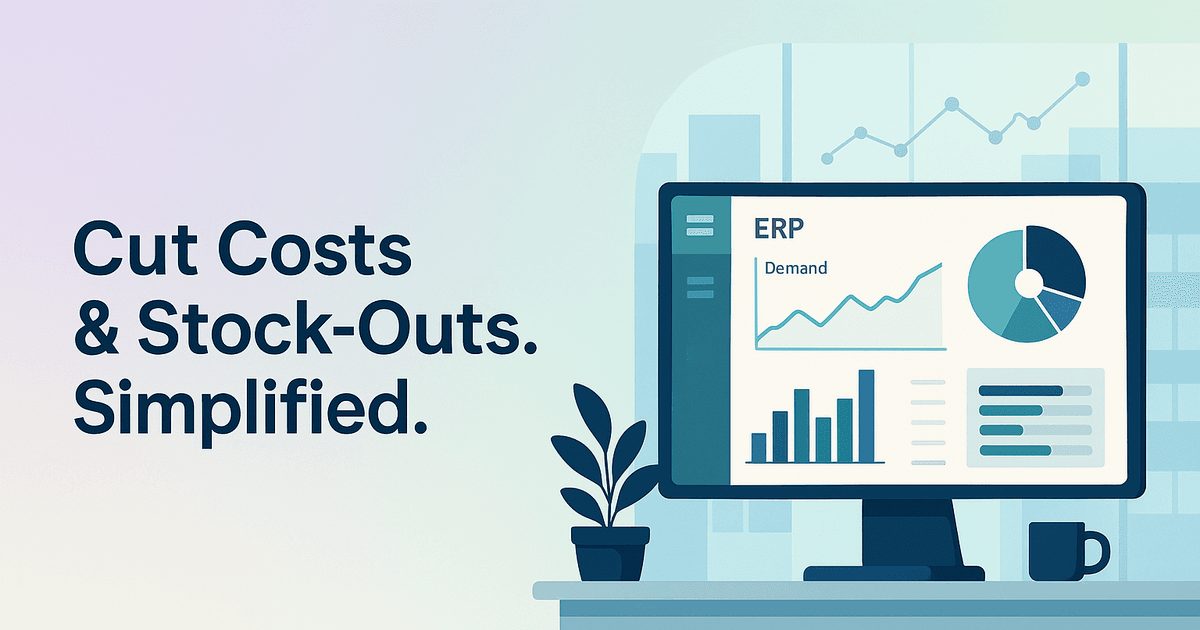
Your inventory, sales, and finance numbers live in one place, refreshing every few seconds. This eliminates “Which spreadsheet is right?” debates. Decision-makers see the same truth, whether they’re on the warehouse floor or in the boardroom.
2. AI Demand Forecasting (The Accuracy Engine)
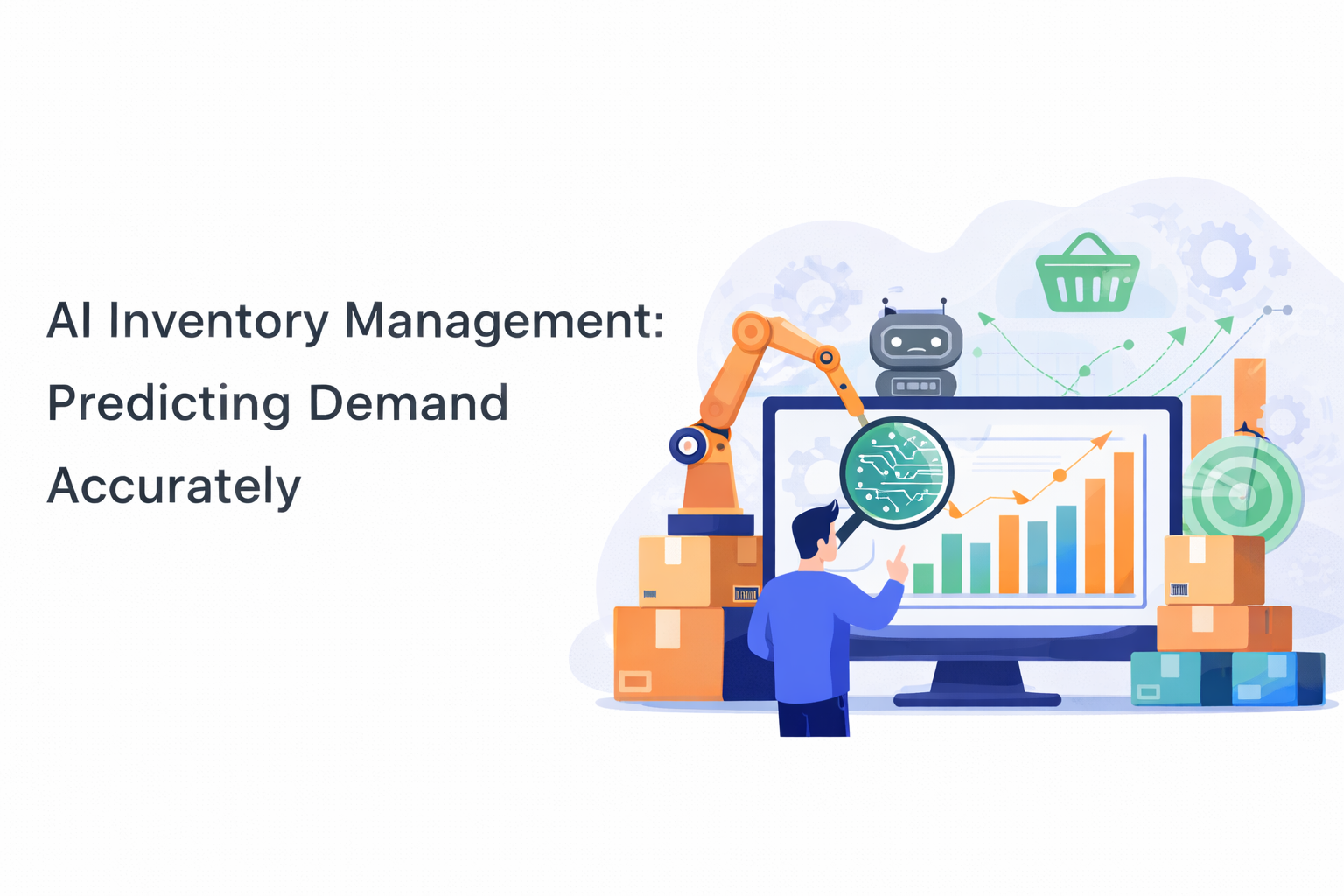
Modern ERPs embed machine learning that ingests three years of sales history, weather patterns, promotions, and even social trends. The result is 20–30% tighter forecast accuracy, slashing stock-outs and excess inventory without human intervention.
3. Embedded Process Automation
Think of it as digital duct tape that closes the gaps humans forget. It can auto-convert sales orders to purchase orders, trigger replenishment when safety stock dips, and route approvals without email chains. Your team focuses on value-adding work, not swivel-chair data entry.
4. Click-to-Configure Workflows
Hard-coded customizations once fueled budget overruns. In 2025, leading ERPs allow non-technical users to drag-and-drop fields, rules, and alerts—with zero coding and zero surprise invoices.
5. Prebuilt API Integrations
Whether you love Shopify, QuickBooks, or a legacy WMS, the ERP must plug in without custom middleware. Out-of-the-box connectors cut two to four weeks from project timelines and reduce go-live anxiety.
6. Guided Analytics Dashboards
Dashboards shouldn’t require a data scientist. Built-in storytelling visuals surface variances, margins, and lead-time risks in plain English so even your newest hire can spot issues early.
7. Continuous Learning Hub
On-screen tips, video walk-throughs, and role-based training paths transform adoption from chore to habit. Your team learns in minutes, not days, closing the training gap that tanked your last rollout.
AI Demand Forecasting: Hype vs. Hard Numbers
Below is a quick reality check comparing classic spreadsheet forecasting with AI-driven models inside today’s ERP systems.
| Aspect | Classic Approach | AI Demand Forecasting (2025) | Why It Matters |
| Data inputs | Historical sales only | Sales + promos + weather + social + lead times | Captures sudden demand swings |
| Update cycle | Monthly or quarterly | Daily or real-time | Faster reaction to market shifts |
| Manual effort | High: manual CSV uploads | Low: automated ingestion | Frees analysts for strategic tasks |
| Accuracy range | ±25-35 % typical error | ±10-15 % typical error | Cuts stock-outs and markdowns |
| Total cost | Hidden labor + Excel chaos | Embedded in the ERP license | Predictable, no bolt-on fees |
Pro Tip: Ask any vendor for a three-month backtest on your own data. If accuracy gains are under 10%, the algorithm may be marketing smoke.
Cost Control & Risk Mitigation—GrexPro’s Fixed-Scope Playbook
Tired of open-ended Statements of Work (SOWs) that balloon mid-project? We keep it simple with a four-step, fixed-scope approach.
- Discovery & Fit-Check
We map your processes against GrexPro’s standard flows. If 80% fits out of the box, we proceed. If not, we tell you—before you spend a dime. - Lean Configuration
Click-to-configure tools adapt screens and rules without custom code, preventing customization costs from spiraling. - Go-Live Lite
We phase releases by department, limiting go-live anxiety and giving users breathing room to adapt. - Post-Launch Partnership
Quarterly health checks and unlimited “how-to” support mean we never vanish after the ribbon-cutting. Vendor abandonment isn’t in our vocabulary.
Real-World Snapshot: 90 Days to 22 % Fewer Stock-Outs
A regional auto-parts distributor came to us after a big-name ERP stalled at user training. Using GrexPro’s AI demand forecasting and guided analytics:
- We imported three years of sales data and ran a backtest that revealed a 28% forecast error in their old spreadsheets.
- Within six weeks, the AI model cut the error to 12%.
- Automated reorder points reduced emergency air freight costs by $18,400 in the first quarter.
- Warehouse staff now receive mobile alerts for at-risk SKUs, trimming stock-outs by 22%.
All of this was achieved without a single line of custom code.
Ready to transform your business operations?
Discovr how our comprehensive solutions can streamline your workflows, boost productivity, and drive sustainable growth.
What to Watch Out for in 2025 Implementations
When embarking on a new implementation, beware of these common pitfalls:
- Scope creep disguised as “phase 2 enhancements”: Lock features before kickoff.
- Integration promises without named connectors:Insist on demos with your actual tools.
- Over-engineered analytics dashboards: if a frontline supervisor can’t read it, it’s useless.
- Training bolted on at the end: learning must start during configuration, not after go-live.
Next Steps—A Zero-Pressure Invitation
If any of this resonates with you, here’s exactly what you get when you chat with our advisors:
- A 30-minute fit assessment—no slides, just your processes on a whiteboard.
- A fixed-scope, fixed-fee estimate within five business days.
- A sandbox login so your team can click around before you commit.
There are no hidden fees, no surprise charges, and you keep the process map whether we work together or not. Experience the freedom of an ERP conversation that respects your time and budget.
FAQ
Q: Do I need to replace my entire system to use GrexPro’s AI demand forecasting?
A: No. Our prebuilt APIs let you keep your POS, e-commerce, or WMS tools and feed their data into the forecasting engine.
Q: How long until my team is comfortable using the new ERP?
A: Most clients see basic proficiency in two weeks thanks to in-app tutorials and role-based learning paths. Power-user mastery follows within 60 days.
Q: What happens if forecast accuracy doesn’t improve?
A: We include a 90-day performance checkpoint. If accuracy gains are below the agreed threshold, you can cancel support fees written into the contract.
Q: Can I start with a single feature and add more later?
A: Absolutely. Our licensing is modular, but the architecture stays lean, so you avoid module bloat frustration.
You’ve been burnt before. Let’s make sure it never happens again. Reach out when you’re ready to streamline operations, make data-driven decisions, and finally experience the freedom of an ERP that works for you—not the other way around.

 Surendra Yarrum