 1st April 2025
Smart Warehousing: How AI & IoT Are Redefining Warehouse Management in 2025
The logistics and supply chain industry is undergoing a radical transformation, thanks to advancements in artificial intelligence (AI) and the Internet of Things (IoT). In 2025, smart warehousing powered by AI-driven analytics, IoT-enabled sensors, and automated robotics is set to redefine warehouse operations, driving efficiency, accuracy, and cost savings. Businesses looking to optimize their supply chain must adopt these technological innovations to stay ahead of the competition.
The Role of AI in Warehouse Inventory Tracking and Demand Forecasting
Traditional warehouse management relied heavily on manual inventory tracking and outdated forecasting methods, leading to inefficiencies and increased costs. AI is now changing the game by enabling real-time inventory tracking, predictive analytics, and automated stock replenishment.
1. Real-Time Inventory Visibility
AI-powered warehouse management systems (WMS) use machine learning algorithms to track stock levels in real time. This helps businesses prevent overstocking or stockouts, ensuring optimal inventory management.
2. Demand Forecasting for Smarter Inventory Decisions
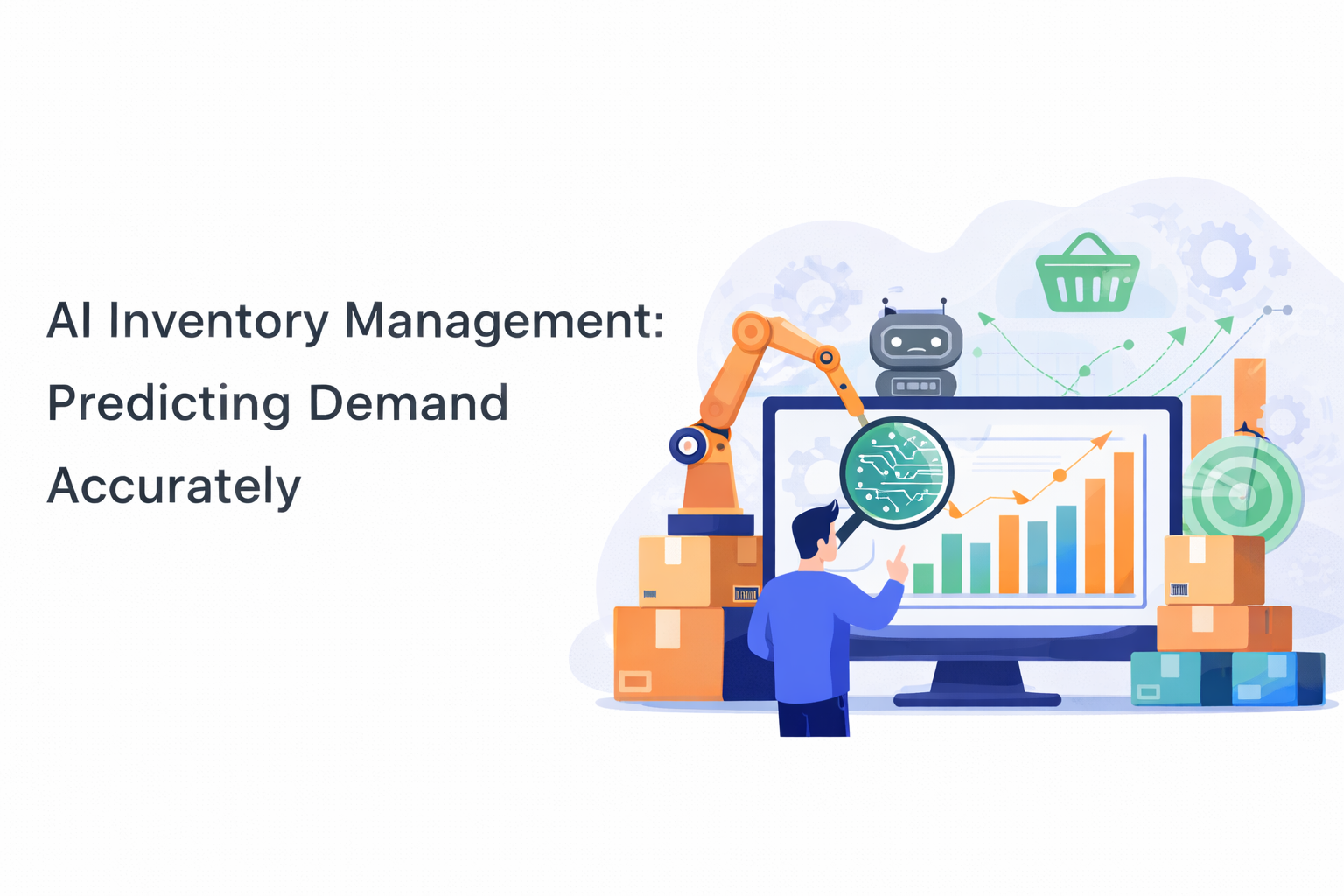
By analyzing historical sales data, seasonal trends, and customer behavior, AI-driven WMS can predict future demand with high accuracy. Companies can make data-driven decisions to improve stock turnover rates and minimize holding costs.
According to Pio, AI adoption in warehouse operations has reduced inventory inaccuracies by up to 40%, leading to significant cost savings.
Streamline Operations & Drive Smarter Growth
Looking to optimize workflows, reduce inefficiencies, and scale faster? Discover how GrexPro’s intelligent solutions can transform the way your business works.
IoT Sensors Enabling Real-Time Warehouse Monitoring
IoT technology plays a crucial role in modern warehouse operations by offering real-time monitoring and data-driven insights.
1. Smart Sensors for Tracking Goods
IoT-enabled RFID tags and barcode scanners help track the movement of goods throughout the warehouse, reducing human errors and improving operational transparency.
2. Environmental Monitoring for Optimal Storage Conditions
IoT sensors can measure temperature, humidity, and other environmental factors, ensuring that perishable goods or sensitive materials are stored in ideal conditions. This prevents spoilage and reduces waste.
A study by IoT For All highlights how IoT technology improves operational efficiency by up to 30% through real-time monitoring.
Robotics and Automation Transforming Warehouse Logistics
The integration of robotics in warehouses is revolutionizing logistics, minimizing human intervention while maximizing efficiency.
1. Automated Guided Vehicles (AGVs) for Faster Operations
AGVs streamline warehouse transportation by autonomously moving goods between storage areas and loading docks, reducing the need for manual labor.
2. AI-Powered Picking and Packing Systems
Automated picking robots, powered by AI and computer vision, improve order fulfillment accuracy, reducing picking errors and increasing efficiency.
3. Collaborative Robots (Cobots) for Assisted Operations
Unlike fully autonomous robots, cobots work alongside human workers to enhance productivity and reduce physical strain on employees.
As per a Business Insider report, businesses adopting warehouse automation solutions have seen a 50% improvement in order processing speeds.
Case Studies: How Leading Companies Utilize AI in Warehousing
Several global brands have embraced AI-driven warehouse solutions to enhance their operations:
- Amazon: The e-commerce giant uses AI-powered robots and predictive analytics to optimize its fulfillment centers, significantly reducing delivery times.
- Walmart: Walmart has implemented IoT-enabled smart warehouses to monitor real-time inventory levels and reduce stock shortages.
- DHL: The logistics leader employs AI-based demand forecasting and AGVs to streamline its supply chain operations.
These companies demonstrate how AI and IoT-driven warehousing can enhance efficiency, accuracy, and cost savings on a large scale.
Ready to transform your business operations?
Discovr how our comprehensive solutions can streamline your workflows, boost productivity, and drive sustainable growth.
Best Practices for Businesses Adopting Smart Warehousing Solutions
Businesses looking to integrate AI and IoT into their warehouse management should follow these best practices:
- Invest in Scalable Technology: Choose warehouse management software that can grow with your business needs.
- Ensure Data Security: Implement robust cybersecurity measures to protect sensitive inventory data.
- Train Employees: Equip your workforce with the necessary skills to operate AI-driven and IoT-enabled warehouse systems.
- Integrate Seamlessly with Existing Systems: Ensure that smart warehousing solutions align with your current ERP and supply chain systems for optimal efficiency.
Conclusion: Why Choose GrexPro for Your Smart Warehousing Needs
As businesses navigate the complexities of modern supply chains, investing in a reliable warehouse management system is crucial. GrexPro WMS provides cutting-edge AI and IoT-powered solutions designed to optimize inventory management, streamline operations, and reduce costs.
Why Choose GrexPro?
- Advanced AI-Powered Inventory Tracking for real-time stock visibility.
- Seamless IoT Integration for accurate monitoring and reporting.
- Scalable and Customizable WMS tailored to your business needs.
- Robust Automation Capabilities to enhance efficiency and accuracy.
Ready to upgrade your warehouse management? Contact GrexPro today to explore how our smart warehousing solutions can transform your business.
Frequently Asked Questions:
How does AI improve warehouse management?
AI enhances inventory tracking, demand forecasting, and order fulfillment accuracy, reducing operational inefficiencies.
What role does IoT play in warehouse management?
IoT sensors provide real-time tracking, environmental monitoring, and automated alerts to ensure smooth warehouse operations.
What are the benefits of robotics in warehousing?
Robotics minimize manual labor, increase order processing speed, and improve accuracy, leading to higher productivity.
How can businesses transition to smart warehousing?
Businesses should invest in scalable WMS solutions, train employees, and integrate AI and IoT technologies into existing supply chain systems.
Why should companies choose GrexPro for warehouse management?
GrexPro offers AI-powered, IoT-integrated, and automation-driven warehouse management solutions, ensuring efficiency, scalability, and cost savings.


 Surendra Yarrum